

Introduction
Cultured stone, also known as manufactured stone or faux stone, has gained immense popularity in the construction and design industry due to its versatility, durability, and aesthetic appeal. One of the key aspects that make cultured stone a preferred choice for architects, designers, and homeowners is the wide range of colors available. In this article, we will delve into the world of cultured stone colors, exploring the various options, trends, and considerations when selecting the perfect hue for your project.
Understanding Cultured Stone
Cultured stone is a man-made material that replicates the look and feel of natural stone. It is composed of a mixture of cement, aggregates, and pigments that are molded and colored to resemble different types of natural stone such as limestone, granite, slate, and more. The manufacturing process allows for a high degree of customization, including the ability to create a diverse palette of colors that can suit various design styles and preferences.
Benefits of Cultured Stone Colors
The availability of a wide range of colors in cultured stone offers numerous benefits to designers, architects, and homeowners. Some of the key advantages include:
1. Versatility: Cultured stone colors can be customized to match virtually any design aesthetic, from traditional to contemporary. Whether you are looking for a classic, earthy tone or a bold, modern hue, there is a cultured stone color to suit your needs.
2. Consistency: Unlike natural stone, which can vary in color and texture due to its organic nature, cultured stone provides a consistent finish that allows for precise color matching and uniformity in your design.
3. Durability: Cultured stone colors are fade-resistant and weatherproof, ensuring that your project maintains its vibrancy and beauty for years to come. This durability makes it an ideal choice for both interior and exterior applications.
4. Cost-Effectiveness: Cultured stone is often more affordable than natural stone, making it a budget-friendly option for those looking to achieve the look of real stone without the high price tag. Additionally, the ability to customize colors reduces the need for costly sourcing of rare or specialized natural stones.
Exploring Cultured Stone Colors
When it comes to selecting a cultured stone color for your project, the possibilities are virtually endless. From subtle neutrals to bold statement hues, there is a color to suit every taste and style. Let's explore some of the most popular cultured stone colors and the design trends that are shaping the industry.
1. Earth Tones
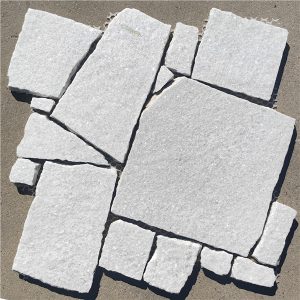
Earthy colors such as beige, tan, brown, and gray are classic choices for cultured stone that evoke a sense of warmth and natural beauty. These versatile hues complement a wide range of architectural styles, from rustic farmhouse to modern minimalist. Earth tones are particularly popular for exterior applications, as they blend seamlessly with the surrounding landscape and create a harmonious look.
2. Neutral Palette
Neutral colors like white, cream, and light gray are enduring favorites in interior design, and they are equally well-suited for cultured stone applications. These understated hues provide a clean and timeless backdrop that can be paired with any accent color or decor style. Neutral cultured stone colors are often used to create a sense of serenity and sophistication in both residential and commercial spaces.
3. Cool Blues and Greens
For those looking to add a pop of color to their design, cool tones such as blue and green offer a refreshing and contemporary alternative. Blue hues evoke a sense of calm and tranquility, while green tones symbolize nature and growth. Cultured stone colors in shades of blue and green are popular choices for accent walls, fireplace surrounds, and outdoor living spaces, adding a touch of personality and character to the environment.
4. Warm Reds and Oranges
Warm colors like red, orange, and yellow can inject energy and vibrancy into a space, making them ideal for creating focal points or adding visual interest. Cultured stone colors in shades of red and orange create a cozy and inviting atmosphere, perfect for creating a welcoming ambiance in residential settings such as living rooms, kitchens, and dining areas.
5. Contemporary Grays
Gray has emerged as a dominant color trend in interior design, revered for its versatility and sophistication. Cultured stone colors in shades of gray range from light dove to charcoal, offering a modern and chic aesthetic that complements a variety of decor styles. Gray cultured stone is often used to create a sleek and luxurious look in high-end residential and commercial projects.
Considerations When Choosing Cultured Stone Colors
When selecting a cultured stone color for your project, there are several factors to consider to ensure that you achieve the desired aesthetic and functionality. Some key considerations include:
1. Architectural Style: The color of the cultured stone should harmonize with the architectural style of the building or space. For example, traditional homes may benefit from warm earth tones, while contemporary structures might be enhanced by cool neutrals or bold hues.
2. Surrounding Environment: Consider the natural surroundings of the project site, including the landscape, climate, and lighting conditions. Cultured stone colors should complement the environment and create a cohesive relationship between the built environment and nature.
3. Maintenance and Durability: Choose cultured stone colors that are durable and easy to maintain, especially for exterior applications exposed to the elements. Consider factors such as fade resistance, weatherproofing, and stain resistance when selecting a color.
4. Personal Preference: Ultimately, the choice of cultured stone color should reflect your personal style and preferences. Consider the mood and atmosphere you want to create in the space, whether it's cozy and inviting or sleek and modern.
Mixed material mosaic tile for eclectic style play a crucial role in shaping the aesthetic and character of a design project, offering a wide range of options to suit every taste and style. Whether you prefer classic earth tones, contemporary neutrals, or vibrant accent colors, there is a cultured stone color that can bring your vision to life. By understanding the benefits, exploring the trends, and considering key factors when choosing colors, you can create a beautiful and enduring design that showcases the beauty and versatility of cultured stone.